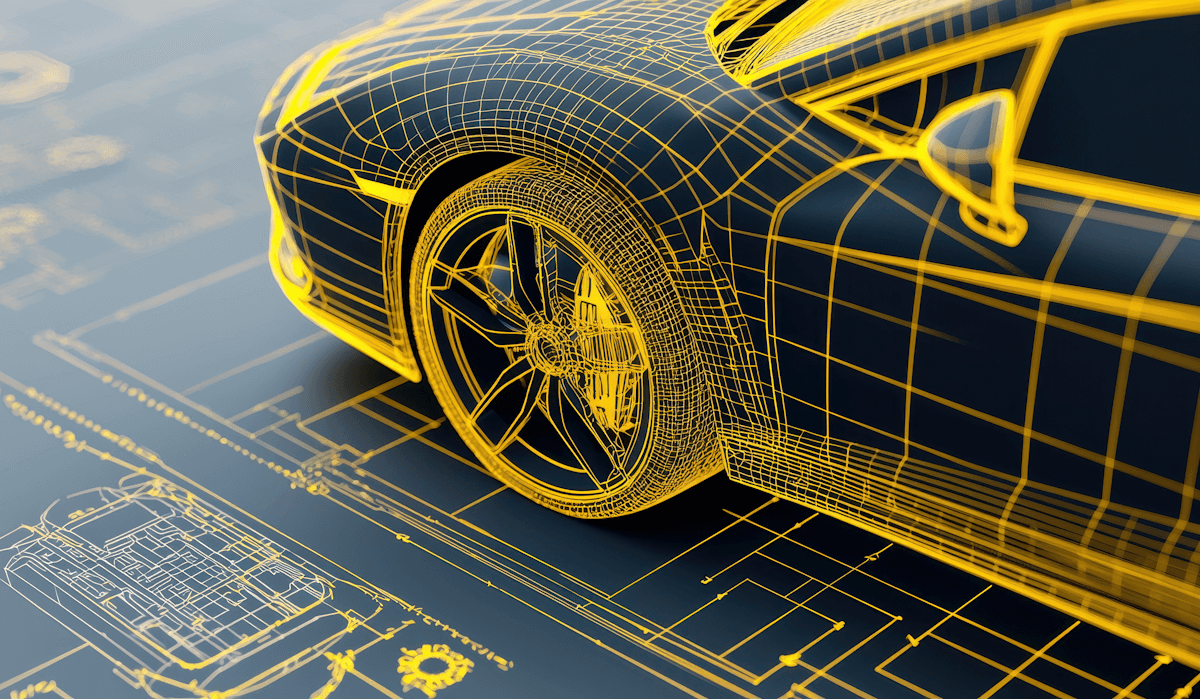
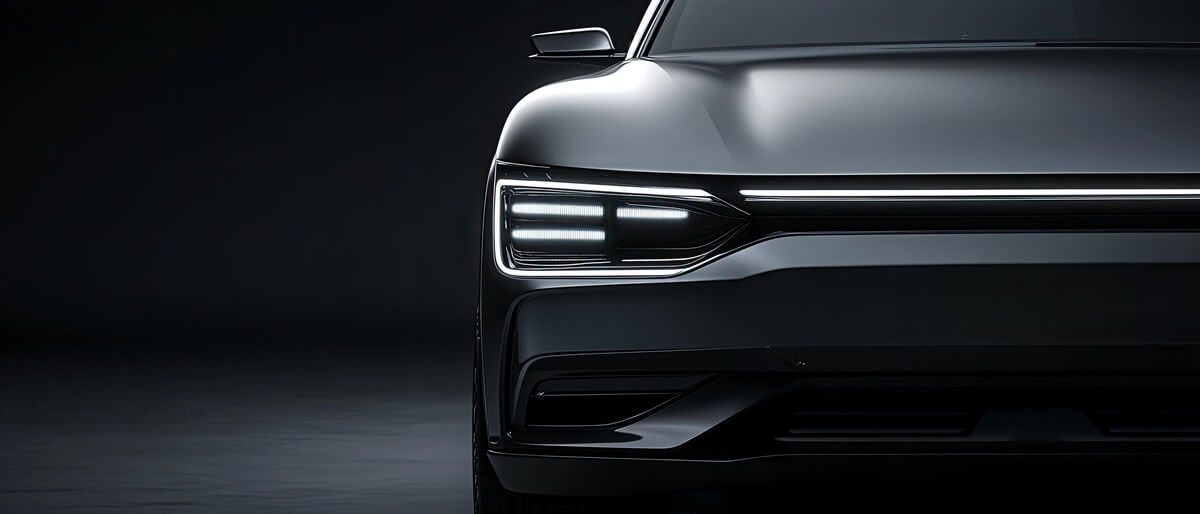
Special-purpose vehicles play an important role in many industrial sectors, from construction and agriculture to public transport. They are characterised by specific technical requirements which make the design of special-purpose vehicles a complex engineering challenge. As a leader in the field of industrial design, Endego offers comprehensive services in the development of special vehicles and their components, responding to the needs of customers from various sectors, private and public.
Special vehicles are machines adapted to perform specific tasks, often under difficult environmental conditions. They can be vehicles used for short-distance transport in agriculture, construction or on ships, in ports and shipyards and industrial plants, as well as for transport over longer distances, such as buses or rail vehicles. Their design requires taking into account many factors, such as safety, ergonomics, efficiency and compliance with specific technical standards. Some of these factors have then a modified or reversed importance.
Examples of special vehicles:
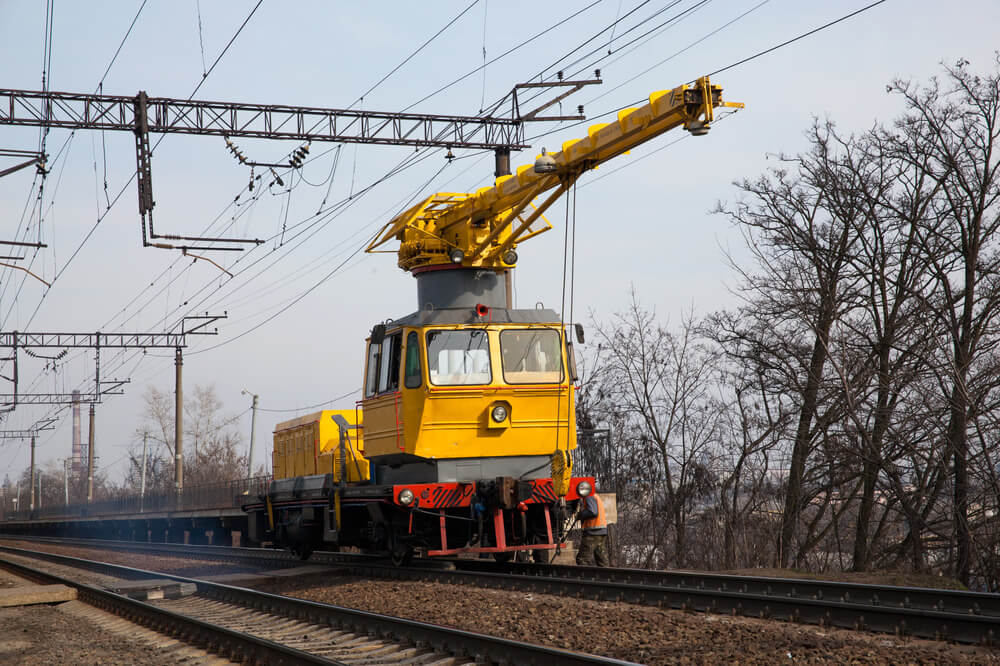
Special vehicles play an important role in various industries, from agriculture and construction to transport and rescue. Their development requires advanced technical knowledge and the use of innovative technologies that ensure safety, reliability and efficiency. As an expert in industrial design, Endego supports companies in the development of advanced special-purpose vehicles tailored to the unique needs and requirements of customers.
The design of the bodywork and other structural components is the basis for the development of special-purpose vehicles. Endego offers bodywork design services that include:
The safety of the operator and people in the surrounding area is a priority in the design of special vehicles. Endego provides services of CAE engineering simulations that allow to:
Effective temperature management and adequate lighting are important for machines that operate under difficult conditions. Endego offers:
Endego combines experience in the design of commercial vehicles and buses with modern technical solutions:
The design of special-purpose vehicles requires compliance with specific national and international standards, laws and technical requirements. In particular:

Endego specialises in industrial design and uses the latest engineering technologies. Our offer includes:
With a team of experienced engineers and advanced engineering simulation tools, we provide solutions tailored to the customer’s needs.
The design of special vehicles is a process that requires advanced engineering knowledge and adaptation to specific industry requirements. As an experienced B2B partner, Endego offers comprehensive services to support companies in the execution of the most demanding projects. With modern technologies and by individual approach to each client, we help our partners achieve their business goals.
Contact us and find out more about our services in the field of special vehicle design!
The past few years have been challenging for the European automotive sector – production declines, supply chain disruptions, and intensifying competition from Asian manufacturers have forced many companies to downsize. Now, as the market slowly begins to recover, businesses face a new challenge: how to quickly restore their delivery capacity when skilled specialists are in short supply?
Read moreModern automotive lighting is no longer limited to a purely functional role. LED logos, illuminated grilles, and dynamic light animations are becoming a new communication language for car brands. How does the combination of design and technology turn light into a recognizable brand signature?
Read moreA few decades ago, securing a car meant a sturdy lock and an alarm. Today, it means defending a rolling, always-connected computing platform – equipped with dozens of Electronic Control Units (ECUs), multiple in-vehicle networks, and high-speed links to the cloud.
Read more