As the automotive industry shifts towards sustainability, internal combustion engines (ICEs) remain crucial in various sectors. Despite the rise of electric vehicles, ICE manufacturers are focused on reducing harmful emissions through innovative technologies. Explore the key non-engine solutions driving emissions reduction and helping ICEs meet stringent standards for a cleaner future.

In recent years, internal combustion engines were expected to decline quickly as electric mobility gained momentum, driven by environmental concerns and technological advancements. However, today, manufacturers are significantly focusing on advancing internal combustion engine technology, with the future of these engines largely contingent on their ability to meet stringent low-emission standards.
From this article, you will learn:
Emission challenges and regulatory advances
The rise of internal combustion engines (ICEs) in the mid-20th century led to significant environmental pollution, especially in the U.S. In response, stricter emission standards, like CARB (1967) and EPA (1970), were introduced to reduce harmful pollutants. These early regulations have influenced global standards, which now target not just exhaust gases but also pollution from tires and brakes.
Despite the momentum toward electric vehicles, ICEs remain vital in industries like automotive, aerospace, and off-highway applications. Ongoing efforts to reduce toxic emissions from ICEs focus on advancing engine technologies and adopting cleaner fuel options.
Primary engine technologies for reducing emissions
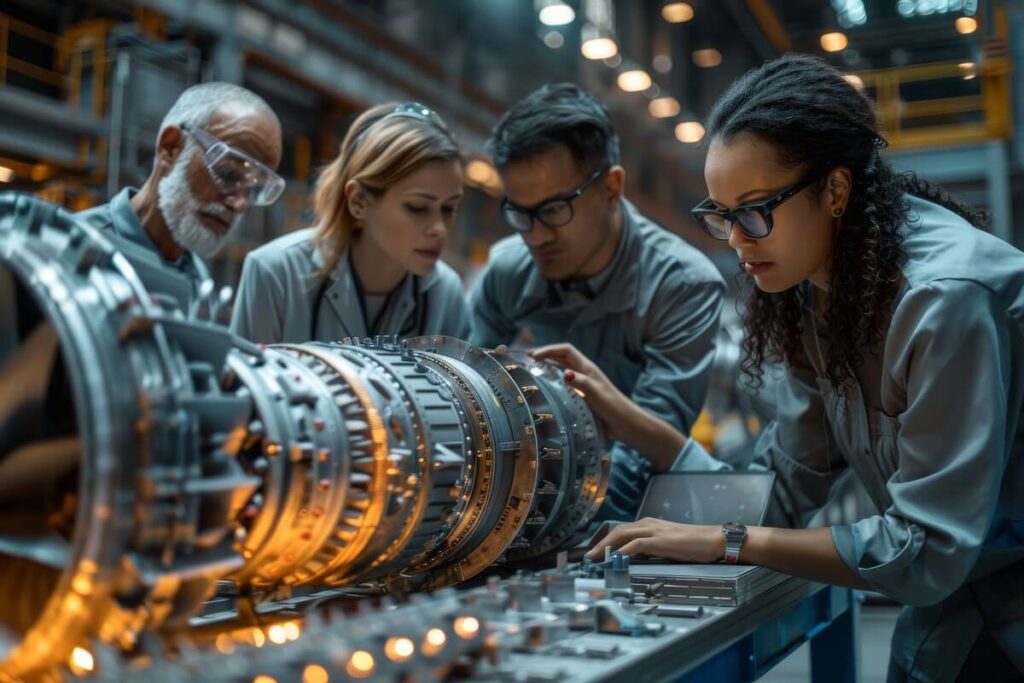
Reducing emissions in modern combustion engines starts at the design stage, focusing on the interaction of various engine components. Key technologies include exhaust gas recirculation (EGR) to lower nitrogen oxides (NOx) and hydrocarbons, advanced fuel injection systems for optimal fuel-air mixing, and improved turbocharger efficiency for better combustion. Other methods like Closed Crankcase Ventilation (CCV) and valve timing optimization help reduce hydrocarbons and unburned fuel, while engine cooling system improvements and high-quality fuels contribute to overall emission reductions.
If you want to learn more about internal exhaust gas purification methods, read this article: Internal Combustion Engines: internal solutions for a greener future.
Integrating secondary purification methods
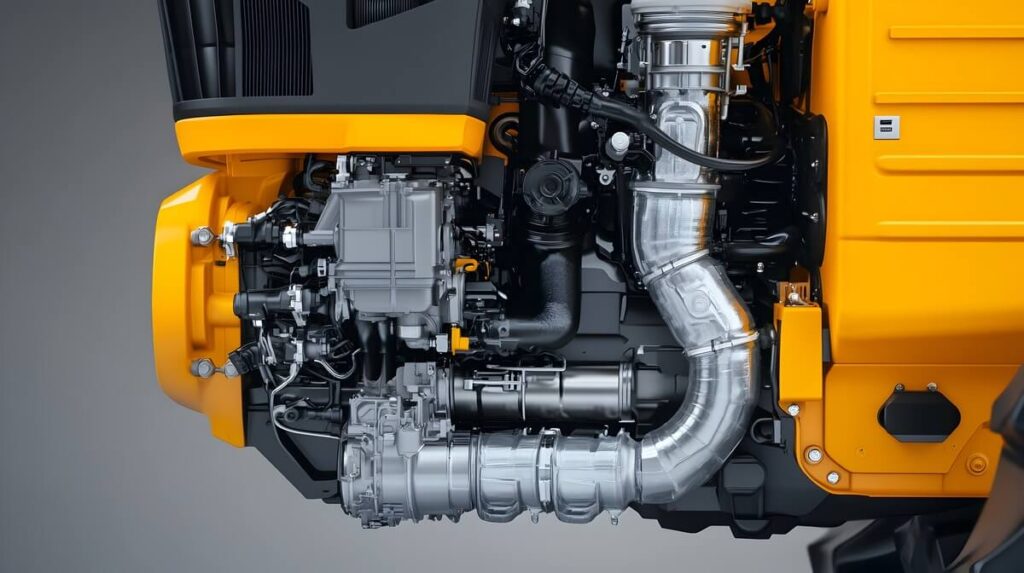
The modern engine design, despite numerous innovative solutions that were described in the previous article, is currently not sufficient to achieve the level of toxic emissions required by standards only when using primary treatments. Further development of engine methods for preventing pollution in exhaust gases is ongoing but requires high financial outlays and may lead to the complexity of the entire structure which may negatively affect its reliability, durability and cost. For this reason, every effort was made to ensure that the process of reducing exhaust emissions was transferred externally and became separate elements integrated in the exhaust system. These are the so-called non-engine (secondary) exhaust gas purification methods. Typically including the following components:
Synergy of internal and non-engine solutions for cleaner emissions

Achieving cleaner emissions from internal combustion engines (ICEs) requires a multi-faceted approach, involving both primary and secondary methods for reducing harmful pollutants. While internal engine technologies, such as exhaust gas recirculation (EGR) and advanced fuel injection systems, contribute significantly to reducing emissions directly at the engine level, non-engine solutions integrated into the exhaust system are equally crucial. Technologies like catalytic converters, particulate filters, Lean Nox Traps (LNT), and Selective Catalytic Reduction (SCR) systems play vital roles in reducing nitrogen oxides (NOx), carbon monoxide (CO), particulate matter (PM), and other harmful emissions. These innovations help to ensure that engines meet increasingly stringent emission standards.
However, as emission regulations become more stringent, the integration of these systems becomes necessary to achieve the required emission reductions, especially in diesel engines. Despite the complexity and increased cost that these solutions introduce, their possible effectiveness in making exhaust gases cleaner than the air entering the engine highlights the potential for ICEs to contribute to future pollution reduction efforts, particularly in highly urbanized areas. The continued development of these technologies offers significant promise for improving air quality and advancing towards a more sustainable automotive future.

The past few years have been challenging for the European automotive sector – production declines, supply chain disruptions, and intensifying competition from Asian manufacturers have forced many companies to downsize. Now, as the market slowly begins to recover, businesses face a new challenge: how to quickly restore their delivery capacity when skilled specialists are in short supply?
Read moreModern automotive lighting is no longer limited to a purely functional role. LED logos, illuminated grilles, and dynamic light animations are becoming a new communication language for car brands. How does the combination of design and technology turn light into a recognizable brand signature?
Read moreA few decades ago, securing a car meant a sturdy lock and an alarm. Today, it means defending a rolling, always-connected computing platform – equipped with dozens of Electronic Control Units (ECUs), multiple in-vehicle networks, and high-speed links to the cloud.
Read more