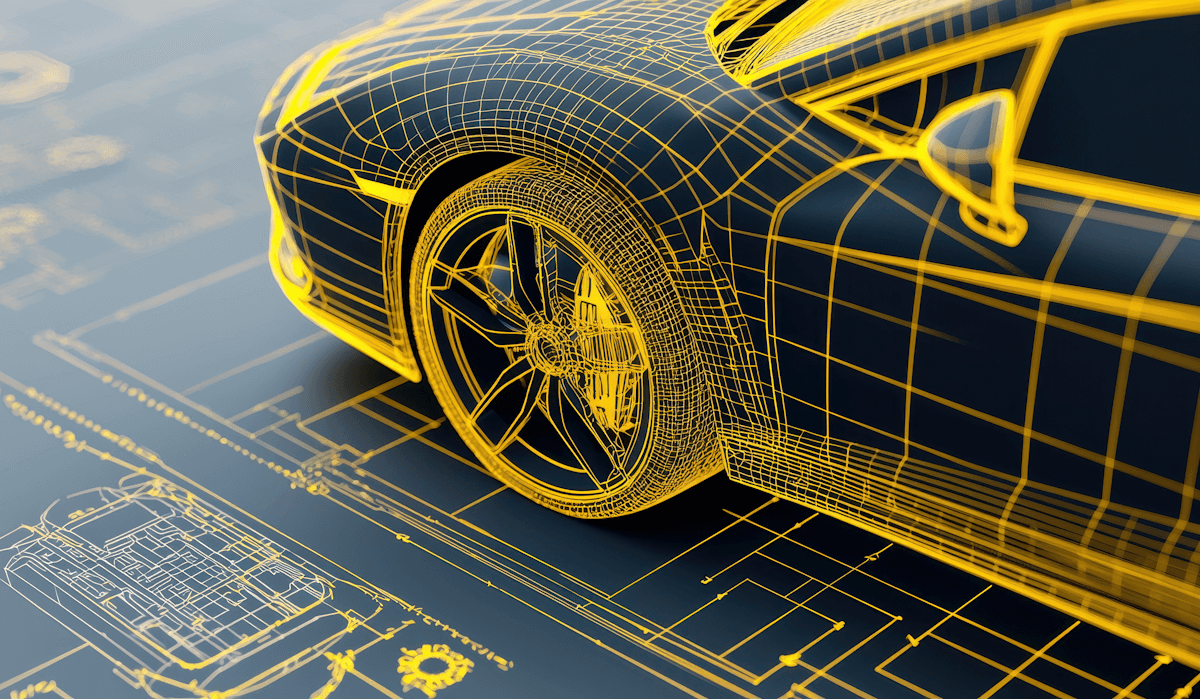
Profesjonalne testy zderzeniowe są jednym z istotnych elementów procesu wdrażania nowych modeli samochodów na rynek. Pozwalają one w kontrolowanych warunkach zweryfikować to, jak pojazd będzie zachowywać się pod wpływem różnego rodzaju oddziaływań, analogicznych do tych, występujących podczas niebezpiecznych zdarzeń na drodze. Obecnie testy zderzeniowe samochodów, określane również mianem crash-testów, są obowiązkiem producentów aut pragnących wprowadzić do sprzedaży nowe pojazdy. Od wyników takich testów zależy, czy dany samochód spełni ustalone normy zderzeniowe, a co za tym idzie – będzie mógł być dopuszczony do użytku na terenie danego kraju. Wraz z rozwojem technologii testów zderzeniowych idzie w parze rozwój w obszarze materiałów mających na celu poprawę bezpieczeństwa i wytrzymałości pojazdów. Ewoluuje również podejście producentów aut do procesu projektowania samochodu.
The past few years have been challenging for the European automotive sector – production declines, supply chain disruptions, and intensifying competition from Asian manufacturers have forced many companies to downsize. Now, as the market slowly begins to recover, businesses face a new challenge: how to quickly restore their delivery capacity when skilled specialists are in short supply?
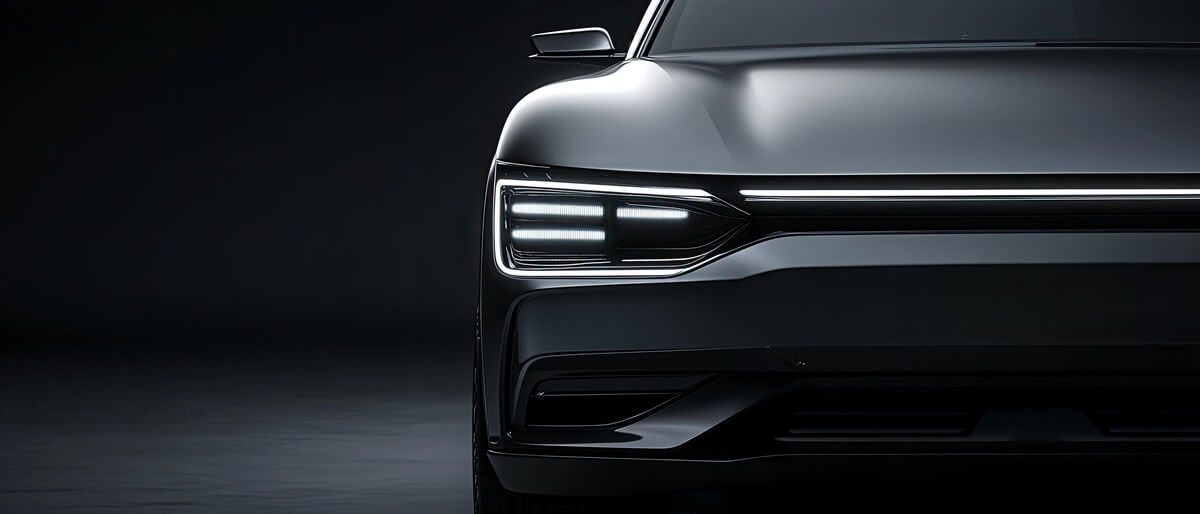
Read moreModern automotive lighting is no longer limited to a purely functional role. LED logos, illuminated grilles, and dynamic light animations are becoming a new communication language for car brands. How does the combination of design and technology turn light into a recognizable brand signature?
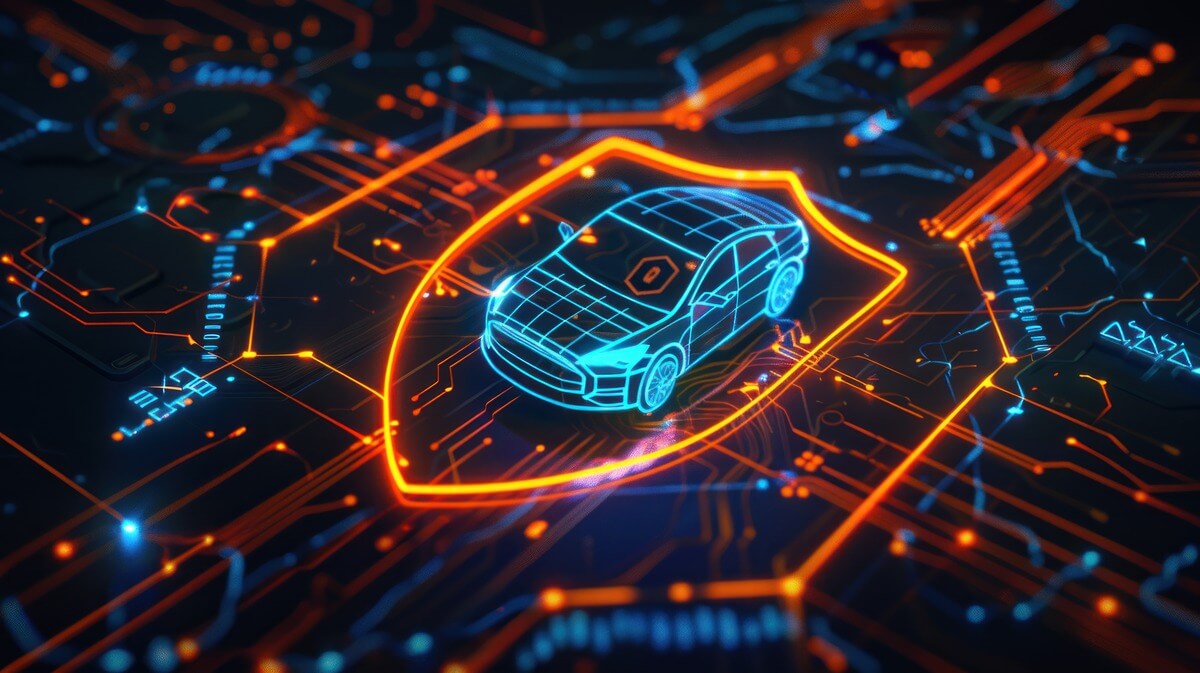
Read moreA few decades ago, securing a car meant a sturdy lock and an alarm. Today, it means defending a rolling, always-connected computing platform – equipped with dozens of Electronic Control Units (ECUs), multiple in-vehicle networks, and high-speed links to the cloud.
Read more