Trends in energy management, the development of electric and hybrid vehicles, as well as innovations in fleet management and labor optimization are influencing manufacturers and operators of off-highway machinery. The application of modern solutions from these areas can significantly contribute to improving the energy efficiency of the entire off-highway sector.

Off-highway machinery designed for operation in difficult off-road conditions is widely used in sectors such as construction, agriculture, mining, and forestry, among others. The specific nature of the use of such equipment consumes significant amounts of fuel, generating both exhaust and noise emissions.
In the face of global environmental and sustainability challenges, the off-highway machinery industry is facing the need to adapt to new, more stringent energy efficiency standards. Technological developments and innovations are opening up new opportunities for equipment manufacturers, allowing them to reduce their environmental impact while increasing operational efficiency and lowering operating costs.
With the rapid development of the automotive industry, the availability of solutions to increase energy efficiency is increasing in the off-highway machinery sector as well. However, adaptation to new trends in this case is relatively slow. This is because the simple replication of a single solution for diverse off-highway vehicles is rarely applicable. The selection of the right technology depends on the design, weight, purpose, and use cases or duty cycles, as well as the power and torque requirements of individual machines.
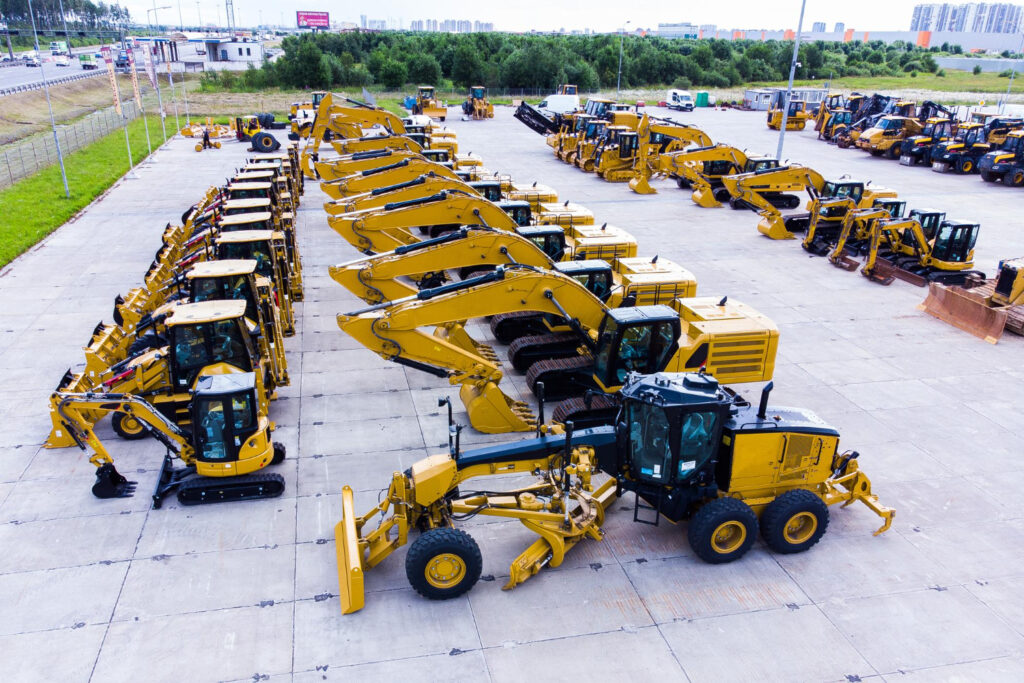
However, there are already a number of solutions that can be used to deliver more energy-efficient off-highway vehicles. We have highlighted some of them below:
Manufacturers aren’t the only ones with a stake in improving the energy efficiency of off-road machines. The energy efficiency of equipment also depends on how it is used and other factors related to fleet management. On their way to reducing the carbon footprint of the equipment they use, users of off-highway machinery can benefit from the following solutions, for example:

The off-highway machinery industry is currently transforming, driven by the need for sustainability and technological innovation. For companies operating in this area, the ability to anticipate trends, flexibility in decision-making, and willingness to invest in new technologies are becoming crucial.
Growing environmental pressures are forcing the off-highway sector to take significant steps toward improving the energy efficiency of machinery. Increasing environmental awareness, supported by increasingly stringent emissions regulations, is opening up unique opportunities for manufacturers to transform the industry in a more sustainable direction. However, in transforming the off-highway industry, it is crucial not only to adapt the design of the solutions offered but also to educate operators and maintain high maintenance standards. The ultimate goal is to achieve harmony between energy efficiency and minimizing the environmental footprint of the entire sector.
Companies that take on the challenge of adapting to the new standards will not only meet market expectations but also contribute to a more sustainable future. These companies have the opportunity to shape the landscape of the entire off-highway sector, leading it toward more efficient and environmentally friendly machine operation.
If you are looking for support in designing energy-efficient off-highway machinery, we cordially invite you to learn more about our experience and expertise in this field and to contact us.
The past few years have been challenging for the European automotive sector – production declines, supply chain disruptions, and intensifying competition from Asian manufacturers have forced many companies to downsize. Now, as the market slowly begins to recover, businesses face a new challenge: how to quickly restore their delivery capacity when skilled specialists are in short supply?
Read moreModern automotive lighting is no longer limited to a purely functional role. LED logos, illuminated grilles, and dynamic light animations are becoming a new communication language for car brands. How does the combination of design and technology turn light into a recognizable brand signature?
Read moreA few decades ago, securing a car meant a sturdy lock and an alarm. Today, it means defending a rolling, always-connected computing platform – equipped with dozens of Electronic Control Units (ECUs), multiple in-vehicle networks, and high-speed links to the cloud.
Read more