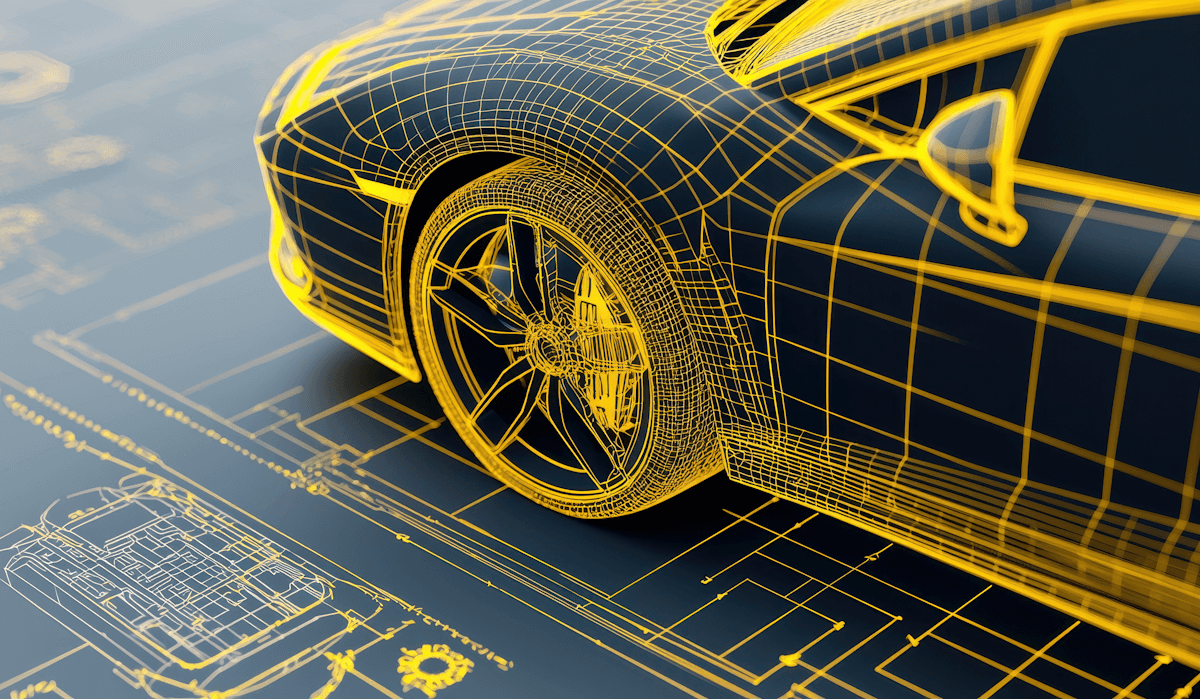
With a history spanning over 200 years, fatigue strength analysis is now often an integral part of the design process. What events were crucial to its development? Where is it applied, and what benefits does it offer?
Fatigue strength analyses, widely used in many industrial sectors today, have a long history reaching back to the 19th century and pioneering studies on the fracture mechanics of railway components. The 20th century brought a dynamic development of this science and engineering discipline. Today, one of the most significant drivers of progress in this area is the aerospace industry (covering both aviation and space). However, fatigue strength research is far more widespread than space flights alone. In this article, we briefly introduce its fascinating history and key milestones in the development of this field. We also present examples of the applications of such analyses, their resulting benefits, and highlight the areas of specialization at Endego in this domain.
The beginnings of fracture mechanics research can be traced to the work of pioneers in the 19th century who analyzed phenomena occurring in the railway industry. Over subsequent years, engineers working in the automotive, marine, aerospace, and space industries also contributed to the development of this field.
The key events leading to the establishment of fracture mechanics as a science and its further development were the spread of railways and the pioneering work necessary for progress in this sector. Among the milestones, the following events are worth mentioning:
| 1825 | The launch of the first railway line in Great Britain operated by Stephenson’s locomotive, connecting Stockton and Darlington. |
| 1839 | The opening of the first railway connection in Germany between Dresden and Leipzig, which provided a significant impulse for the advancement of railway technology. |
| 1867 | The publication of August Wöhler’s work on the relationship between the number of load cycles and the stress amplitude (Wöhler curve). |
| 1886 | The publication of Johann Bauschinger’s work describing material hardening during plastic deformation (Bauschinger effect). |
| 1899 | The publication of John Goodman’s work addressing mean stress and load cycle amplitudes (Goodman fatigue strength diagram). |
The century, marked by the Wright brothers’ flight experiments and the widespread of automobiles, turned out to be a period of dynamic growth in knowledge and research on fracture mechanics and fatigue strength. From this perspective, the key events are at least:
Even today, the aviation and space industries play the most significant role in fracture mechanics research.

The fracture mechanics knowledge, that was developed over centuries, along with the methodological frameworks for performing calculations and with the software that facilitates their execution, are today being widely used in modern industries. Fatigue strength analyses are being performed for applications such as:
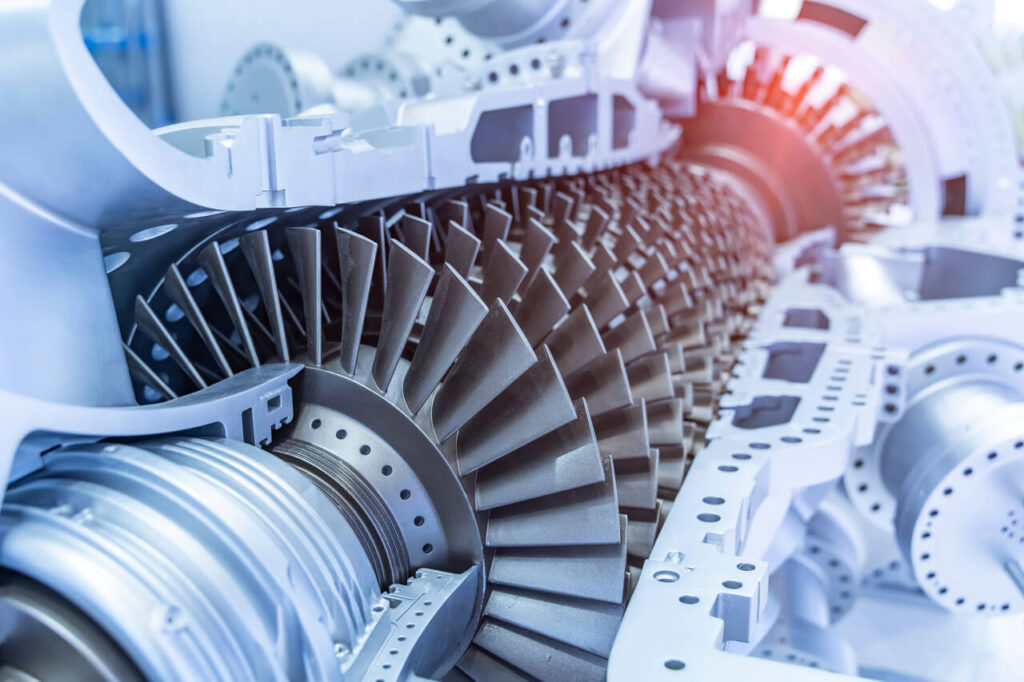
Simulations and calculations of fracture mechanics and fatigue strength provide numerous benefits. Among the most significant advantages are:
Below, we describe how fracture mechanics research contributes to achieving benefits in these specific areas.
Service life predictions, based on test results of material samples under cyclic loading, have now become a standard component of strength calculations. Alongside static calculations, they are being performed for relevant parts of new vehicles and many machines and equipment, to guarantee their safe operation.
The behavior of vehicles and safety devices during collisions is now being routinely tested at the design stage of car structures (e.g. car crumple zones, airbags). Collision calculations and simulations, that include fracture mechanics, are now being widely performed and this way, they reduce the risk of death or severe injury caused by accidents.
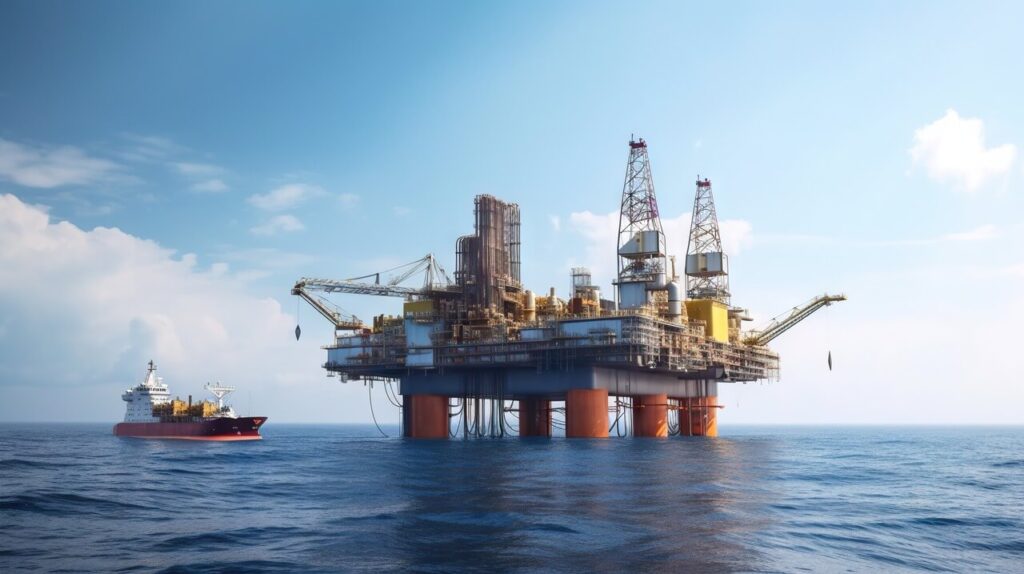
Cyclic loads in the form of vibrations, induced periodically or by impact, occur during both, earthquakes and extraordinary events such as explosions. These may occur in civilian life situations, such as on oil platforms, or in military scenarios involving explosive weapons, such as on warships. Calculations of these phenomena help improve the resistance of structures under investigation.
CAE Endego team specializes in simulations and calculations based on fracture mechanics and fatigue strength and performs them for industries such as:
The extensive experience of Endego’s engineering team allows us to adapt advanced computational techniques to any business requiring their application, as well as to its specific needs.
We invite you to contact us.
The past few years have been challenging for the European automotive sector – production declines, supply chain disruptions, and intensifying competition from Asian manufacturers have forced many companies to downsize. Now, as the market slowly begins to recover, businesses face a new challenge: how to quickly restore their delivery capacity when skilled specialists are in short supply?
Read moreModern automotive lighting is no longer limited to a purely functional role. LED logos, illuminated grilles, and dynamic light animations are becoming a new communication language for car brands. How does the combination of design and technology turn light into a recognizable brand signature?
Read moreA few decades ago, securing a car meant a sturdy lock and an alarm. Today, it means defending a rolling, always-connected computing platform – equipped with dozens of Electronic Control Units (ECUs), multiple in-vehicle networks, and high-speed links to the cloud.
Read more