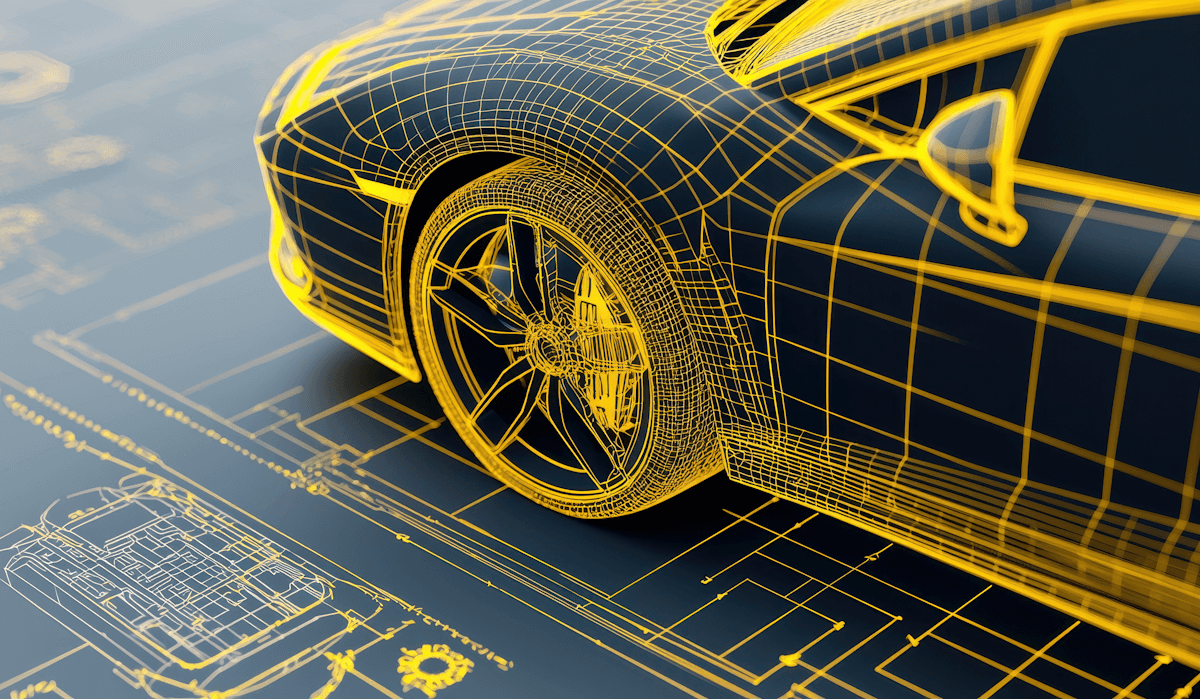
The basis of the most commonly performed nonlinear FEM analyses in CAE software is the theory of plasticity. How did this theory originate? In which fields is it applied? What are the benefits of using plasticity-based calculations, and what are the prospects for the development of simulations that incorporate plasticity?
The origins of theoretical work on permanent deformation, known as plasticity, date back to the second half of the 19th century. However, it was only after World War II that the development of this field accelerated significantly. This was led by the following milestones:
Unified theory of plasticity includes such phenomena as:
The starting point for all considerations within this framework is the stress-strain curve obtained in a strength laboratory through tensile tests on the material being studied.
The 1960s witnessed rapid advancements in computer technology, which enabled the application of previously developed theories to the computer simulation of plastic phenomena. As computing speeds increased and device memory expanded, the accuracy of Finite Element Method (FEM) calculations improved, as did the accessibility of computers necessary for such simulations.
In the 1970s, the first commercial software was developed, transitioning from predominantly linear calculations to advanced nonlinear analyses, including plasticity calculations. In the decades that followed, computer developments allowed the use of FEM spatial models and rapid iterations of nonlinear processes for large models.
Based on nonlinear simulations and FEM spatial models, tasks are being executed as:
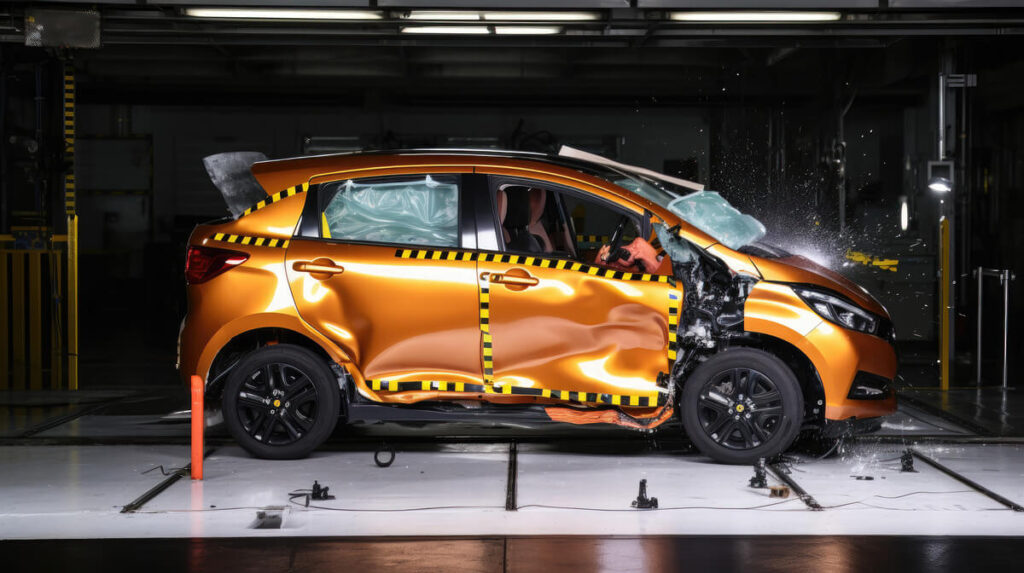
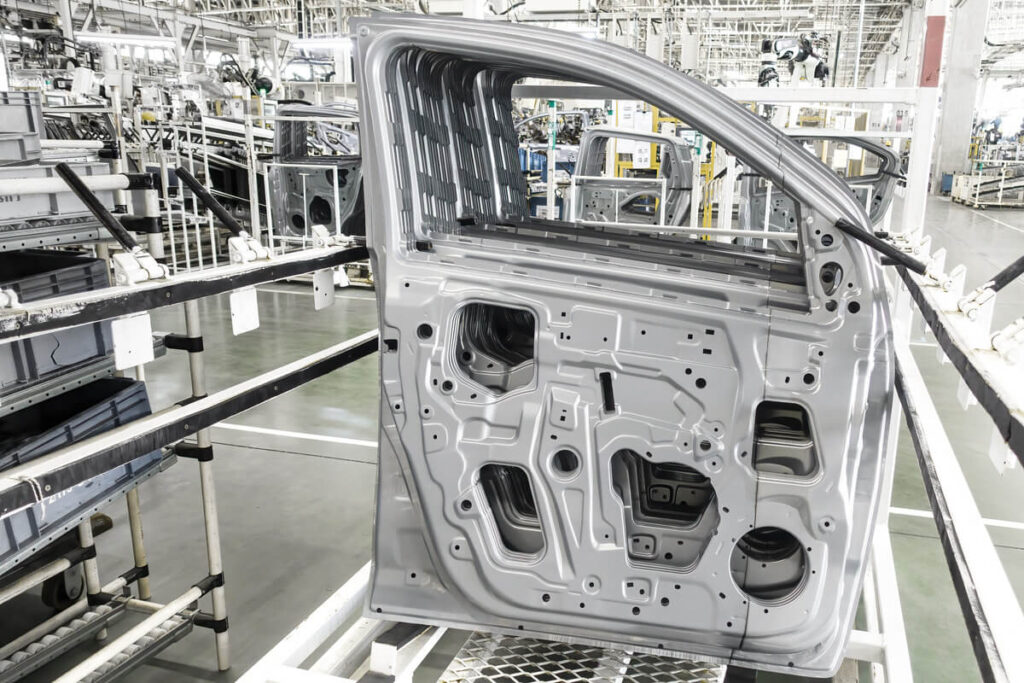
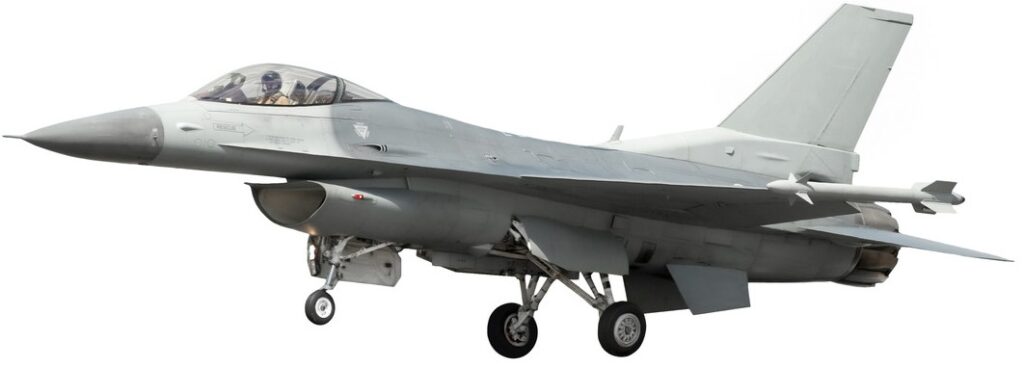

Including plasticity in simulations and calculations provides a number of benefits related to issues such as:
Already today, calculations implemented on the basis of plasticity theory are of great importance for the design of durable and safe structures. It can be expected that in the coming years the importance of such simulations will grow in such contexts as:
Feel free to contact Endego’s CAE team. We perform computationally demanding advanced simulations for automotive and other sectors.

The past few years have been challenging for the European automotive sector – production declines, supply chain disruptions, and intensifying competition from Asian manufacturers have forced many companies to downsize. Now, as the market slowly begins to recover, businesses face a new challenge: how to quickly restore their delivery capacity when skilled specialists are in short supply?
Read moreModern automotive lighting is no longer limited to a purely functional role. LED logos, illuminated grilles, and dynamic light animations are becoming a new communication language for car brands. How does the combination of design and technology turn light into a recognizable brand signature?
Read moreA few decades ago, securing a car meant a sturdy lock and an alarm. Today, it means defending a rolling, always-connected computing platform – equipped with dozens of Electronic Control Units (ECUs), multiple in-vehicle networks, and high-speed links to the cloud.
Read more