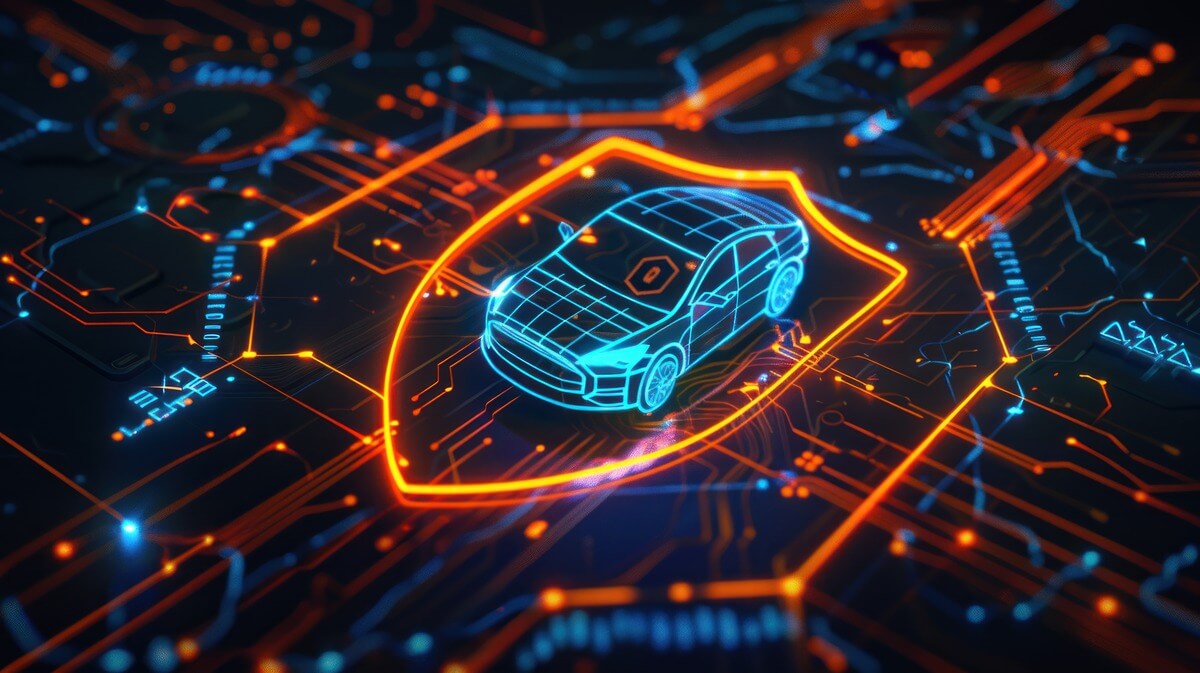
Today, with technology advancing at a dizzying pace, cars have become more advanced than ever before. Progress also brings new challenges. One of the industry’s most pressing concerns is cybersecurity.

Cars are no longer just vehicles but are becoming increasingly computerised machines. While modern features provide drivers with convenience and new opportunities, they also open the door to potential threats. What exactly is cybersecurity? Why is this issue becoming a key challenge for the automotive industry? These and many other questions will be answered in the following article by Szymon Jackiewicz – DevSecOps Engineer at Endego.
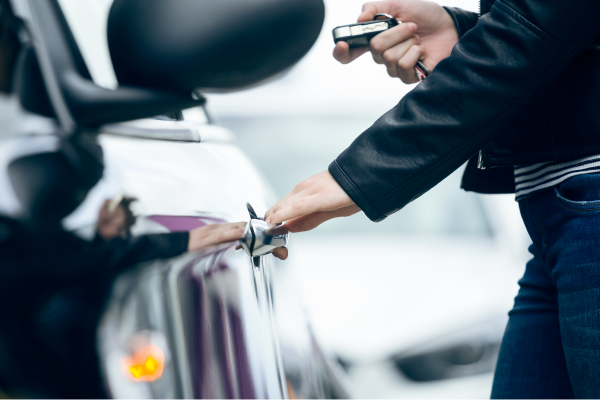
Cyber security in the automotive industry is a vast field that is not just limited to ‘movie’ attacks by hackers sitting at a computer. It is also about threats related to physical access to the vehicle and theft. Hackers can swap car modules for non-original ones and even gain access to valuable company patents. The biggest threat, however, is the ability to remotely access and manipulate vehicle components. The consequences can be drastic, involving remote vehicle firing, blocking the ability to start the vehicle in exchange for a ransom, eavesdropping on communications, tracing the route of travel, and compromising the privacy and security of users.
The motives behind cyber attacks on cars overlap to some extent with the goals of the conventional criminals taking them on. Innovative technologies, however, are providing the bad guys with new opportunities. Through cyberattacks, criminals can pursue targets such as:
Importantly, the attacks are not limited to autonomous cars or the latest models. Owners of older vehicles are also vulnerable to them. Cyberattacks therefore pose a serious threat to both the wide range of car users and the automotive industry itself. This is why it is so important to take care of cyber security in all aspects of vehicle design, production, and use.
Protection against cyberattacks in the automotive industry is becoming a necessary part of automotive design and operation, ensuring the safety of users and allowing modern technologies to be used and developed in vehicles. Effective methods of defence against automotive cyberattacks on the part of vehicle designers and operators include:
The cybersecurity of vehicles is also the responsibility of their users. To minimise the risk of your car becoming a target for hackers and cybercriminals, you should:
As Endego, we are proud of our role in ensuring security in the automotive industry. Our cyber security solutions and services are based on the extensive knowledge and experience of our engineers. We support automotive manufacturers in implementing advanced cyber security management systems (CSMS) that comply with international standards such as ISO. Components designed by Endego are immune to cyberattacks from the ground up. We create top-quality products that meet the most stringent security standards, so our customers can rest assured that their vehicles are adequately protected against cyber threats.
If you would like to know more about this, we can support vehicle manufacturers with cyber security. Get in touch!

As modern technology in cars develops, cyber security in the automotive industry is becoming increasingly important. Engineers and security specialists are constantly working to secure vehicles against cyberattacks. Provided that manufacturers use proven component suppliers and users follow recommendations on the frequency and quality of maintenance, cars with the latest systems can be used and driven without fear.
The past few years have been challenging for the European automotive sector – production declines, supply chain disruptions, and intensifying competition from Asian manufacturers have forced many companies to downsize. Now, as the market slowly begins to recover, businesses face a new challenge: how to quickly restore their delivery capacity when skilled specialists are in short supply?
Read moreModern automotive lighting is no longer limited to a purely functional role. LED logos, illuminated grilles, and dynamic light animations are becoming a new communication language for car brands. How does the combination of design and technology turn light into a recognizable brand signature?
Read moreA few decades ago, securing a car meant a sturdy lock and an alarm. Today, it means defending a rolling, always-connected computing platform – equipped with dozens of Electronic Control Units (ECUs), multiple in-vehicle networks, and high-speed links to the cloud.
Read more