Digital side mirrors are a technology moving from conceptual prototypes to series production. Instead of classic car mirrors, vehicles now feature compact cameras and interior screens. What are the benefits of this solution, which brands are already implementing it, and do digital mirrors have a chance to replace traditional ones?

Digital side mirrors are a technology that, just a few years ago, seemed like a futuristic addition straight out of prototypes and concept cars. Today, they are increasingly finding their way into series production, changing not only the classic look of the car body but also the way drivers perceive the vehicle’s surroundings. Do cameras, instead of traditional mirrors, have a chance to revolutionise the automotive industry, or will they remain an expensive gadget reserved for selected models? Let’s check out how this solution works, what benefits it brings, and what the chances are for widespread implementation of digital mirrors.
Digital mirrors, also known as camera mirrors or Digital Side Mirrors, are a system that replaces classic side mirrors with high-resolution cameras. The image from the cameras is transmitted to displays mounted inside the vehicle – usually at the ends of the dashboard, on the central screen, or in the pillars. The cameras are compact in design. Compared to traditional mirrors, they protrude much less from the main body of the vehicle, which has a positive effect on vehicle aerodynamics.
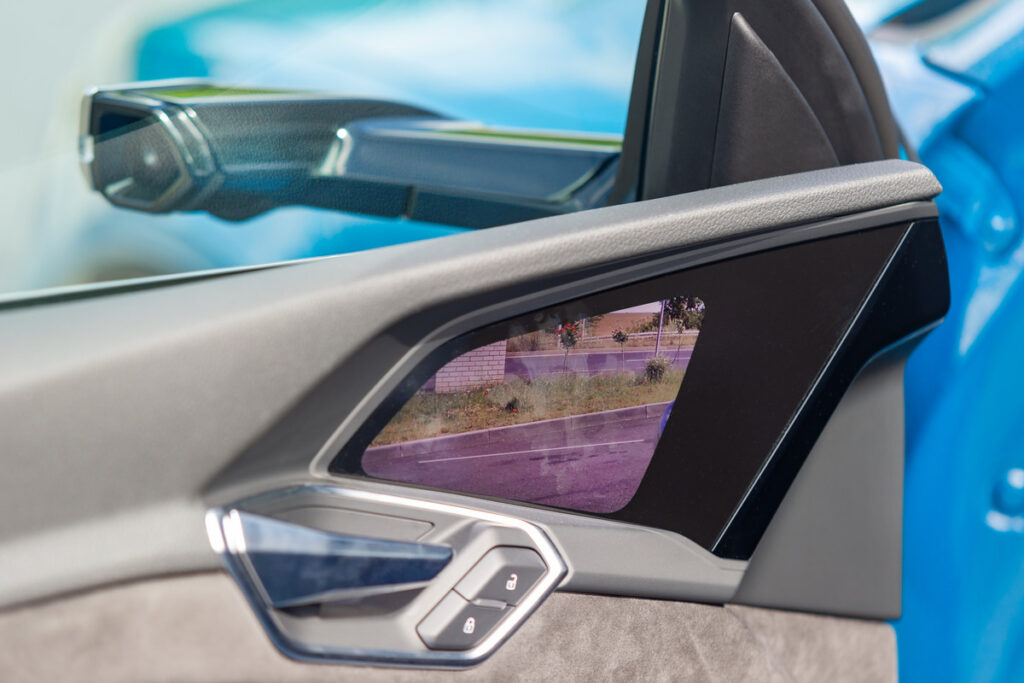
Although this system is still new to the market, digital mirrors have already been fitted in the production models of several manufacturers:
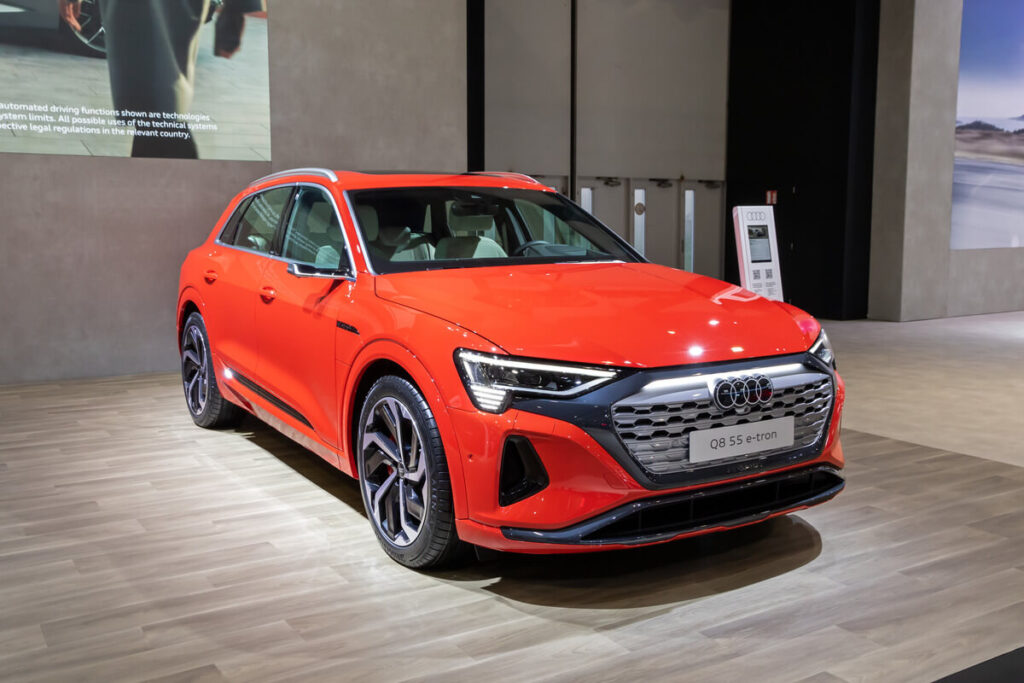
There are not many examples, but the increasing appearance of camera-mirror systems in concept cars and prototypes may suggest further development of this technology.
The use of digital mirrors in vehicles is somewhat controversial, but the benefits they offer are hard to ignore. Here are the most important advantages of this technology:
Although digital mirrors offer a number of advantages, they are not without their drawbacks. Here are the most important limitations of this technology that are worth considering:
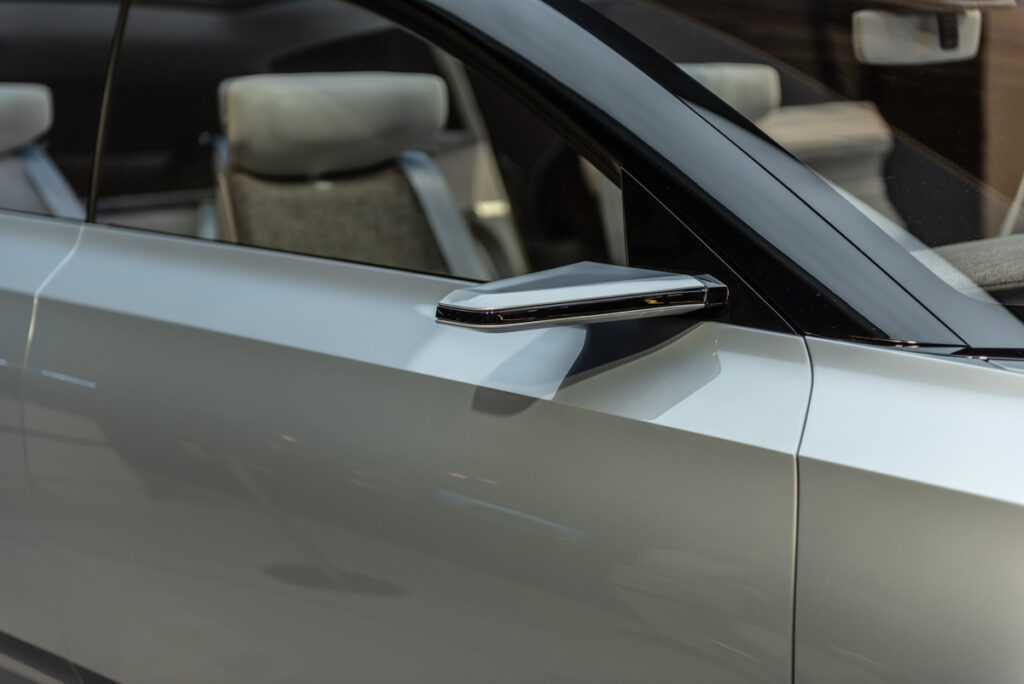
One of the main obstacles to the widespread adoption of digital mirrors is the varying approval regulations in different countries. Although the technology is available and functional, its use must comply with local laws, which in many regions still require physical, optical side mirrors.
Digital side mirrors are already approved for use in the European Union, Japan, South Korea and several other countries. Changes in vehicle approvals and regulatory updates (e.g. UN ECE R46) have paved the way for their implementation, but more conservative regulations remain in place in some countries.
Examples:
Such different regulations force manufacturers to offer the same vehicle in different versions, depending on the target market. Ultimately, this increases production costs and lengthens the approval process.
An increasing number of manufacturers are implementing digital mirrors in electric vehicles, software-defined and luxury models. This is part of a broader trend – the digitisation of bodywork components that once had a purely mechanical function and are now becoming components of driver assistance systems (ADAS).
In combination with technologies such as:
cameras can not only replace traditional mirrors, but also contribute to expanding the driver’s perception.
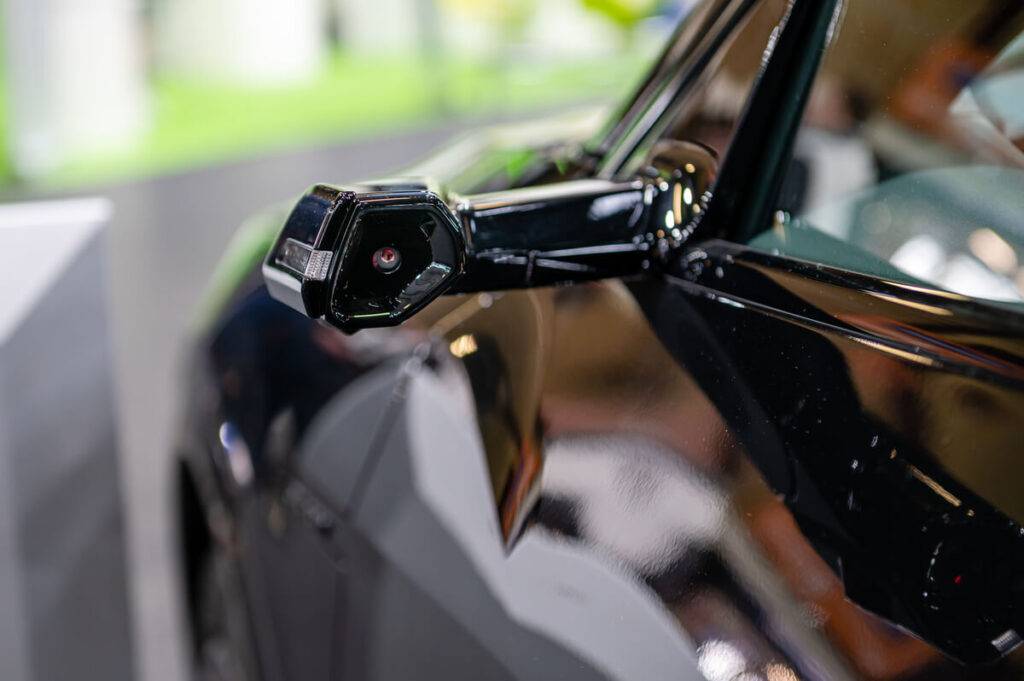
Digital mirrors in cars are a perfect example of how technology and design can work together to truly change the way we perceive and drive vehicles. On the one hand, they influence the aesthetics of the bodywork, while on the other, they support safety, improve aerodynamics and open up new possibilities for integration with driver assistance systems.
Although their implementation involves challenges ranging from legal restrictions and high costs to usability barriers, digital mirrors are increasingly appearing in modern vehicles. This is a clear signal that the automotive industry is taking this development direction seriously.
In the age of digitalisation, electromobility and personalisation of the driver experience, camera-monitor systems may eventually replace traditional mirrors – not only as a futuristic design element, but as a real answer to the needs of modern mobility.
The past few years have been challenging for the European automotive sector – production declines, supply chain disruptions, and intensifying competition from Asian manufacturers have forced many companies to downsize. Now, as the market slowly begins to recover, businesses face a new challenge: how to quickly restore their delivery capacity when skilled specialists are in short supply?
Read moreModern automotive lighting is no longer limited to a purely functional role. LED logos, illuminated grilles, and dynamic light animations are becoming a new communication language for car brands. How does the combination of design and technology turn light into a recognizable brand signature?
Read moreA few decades ago, securing a car meant a sturdy lock and an alarm. Today, it means defending a rolling, always-connected computing platform – equipped with dozens of Electronic Control Units (ECUs), multiple in-vehicle networks, and high-speed links to the cloud.
Read more