Modern trains are not just means of transport, but also embody innovation and safety. The design of the front end and car body combines aesthetics with advanced engineering and European standards. How does the appearance of a train affect its aerodynamics, energy consumption, safety and brand image? Here’s what’s behind the modern design of rolling stock.
Nowadays, a passenger train is more than just a means of transport. Today, a train or tram is part of the modern landscape, a showcase for the operator, a symbol of innovation and, increasingly, the practical implementation of sustainable development. In this context, the design of rail vehicle external components is not only a matter of aesthetics but is also a matter of advanced engineering and safety at a high European standards level.
Although the exterior of a vehicle is primarily associated with its appearance, in reality, every curve, crease or angle translates into specific technical parameters: air resistance, noise level, energy consumption, structural strength and crash safety.
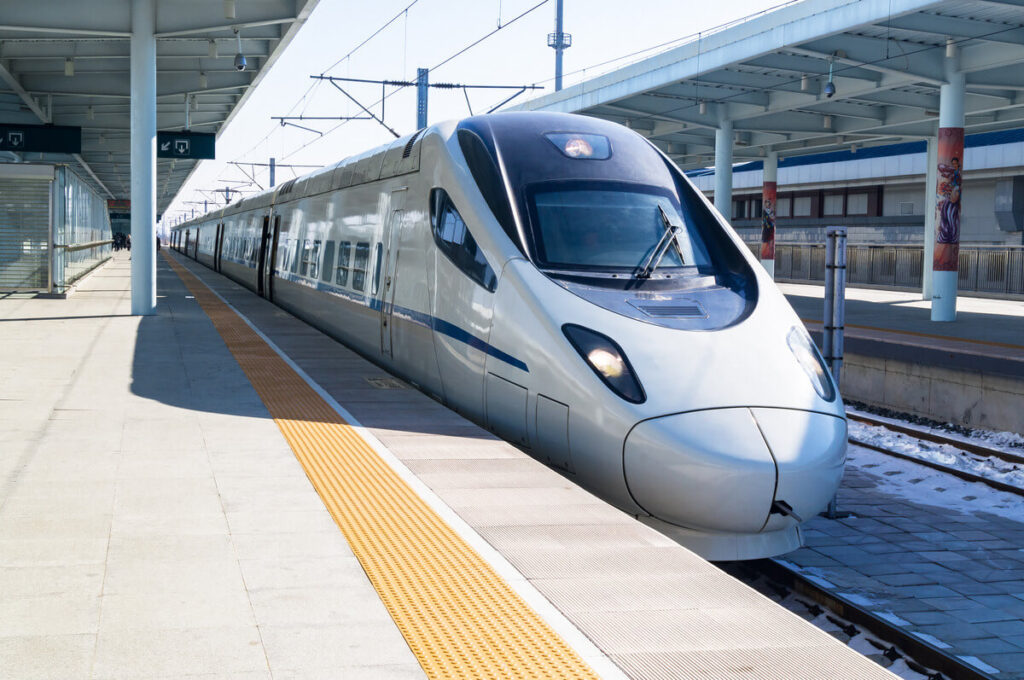
Therefore, when designing the front or side panel cover of a rail vehicle, engineers must take into account several structural design requirements and formal requirements that result from the norms and standards in force in the European Union. For a given project, these can include e.g.:
Such detailed and multi-aspect regulations mean that the design process of external components for rail vehicles requires not only technical knowledge but also proficiency in interpreting standards, often confirmed by special certificates. The external appearance of a train is not just a matter of aesthetics – it is primarily a question of safety, durability and compliance with operational requirements. Therefore, engineers should take these aspects into account at the earliest stage of the design process – from the initial sketches (styling, CAD) through computational analyses (strength, CAE) to material and technology selection decisions.
The front of a train is its most recognised part. This is where the attention of passengers and infrastructure users is focused on. That is why, in the era of modern transport, more and more companies see the external appearance of their rail vehicle as part of their brand identity. A distinctive shape, styling details, lighting elements and colors – all these factors influence brand recognition and perception of the rolling stock as modern.
However, in addition to aesthetics, the appearance of the front of a train has key technical importance: a streamlined shape can reduce air resistance by up to several percent. This translates into real energy savings and improved ride comfort thanks to reduced noise, vibrations and turbulence.
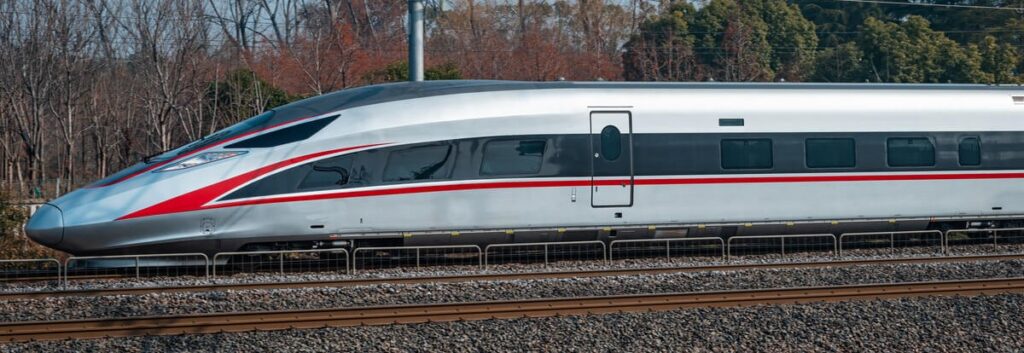
The contemporary approach to vehicle front design increasingly combines functionality with innovative trends in engineering and design, such as:
The number of standards that must be met, combined with current and upcoming trends, make train design a complex process where aesthetics is combined with functionality and with concern about passenger comfort and well-being. As a result, a well-designed vehicle front becomes not only its calling card, but also a real source of operational and economic advantages.
When designing exterior components, engineers must bear in mind that modern panelling should not only be aerodynamic, but also lightweight, weather-resistant and safe. For this reason, the following materials are increasingly being used:
The selection of suitable construction materials is becoming a key element of the design process – it affects not only the external appearance of the vehicle, but also its durability, safety, weight and ease of production.
In today’s railway industry, the time it takes to implement a project is just as important as its quality. But how do you design the front and body of a vehicle so that it meets strict requirements with a minimum number of iterations? The key lies in the competence of the design team and in the use of the right engineering tools.
Solutions that are key to the design of such components include engineering analyses (CAE). In the case of trains, they allow to:
CAE analyses make it possible to significantly shorten the design cycle, reduce costs, and adapt the design to both operational requirements and aesthetic expectations. It is a tool that supports conscious decisions in the earliest stages of the project.
The development directions in the rail industry are clearly outlined today: automation, greening, and digitalisation. They are shaping new expectations for exterior design, which must keep pace with the growing complexity of technology, and support it at the same time.
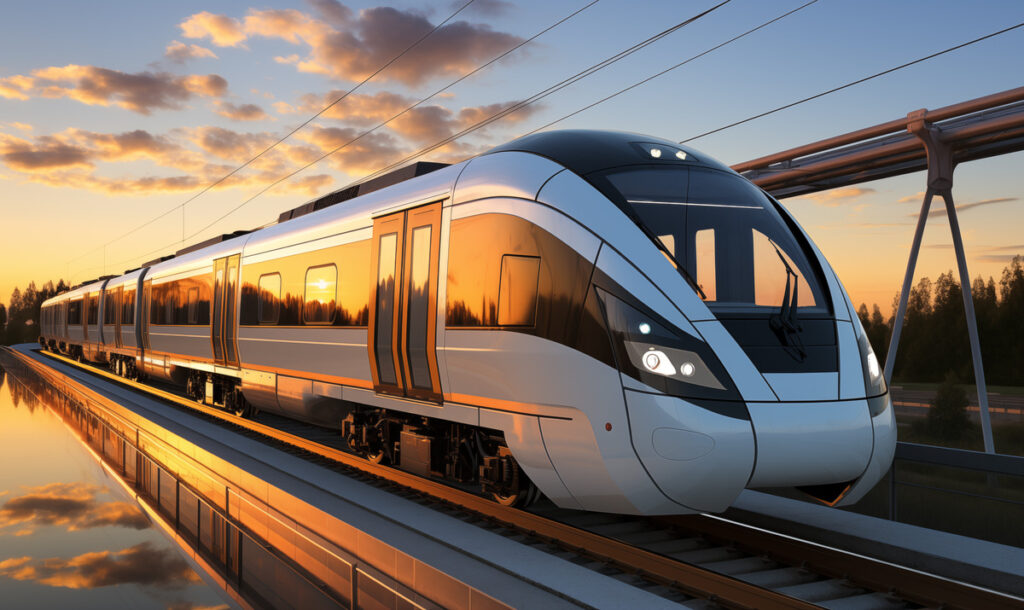
In the coming years, we can expect that:
Exterior design is becoming an integral part of technology, influencing the visual perception, efficiency, safety and future scalability of transport solutions.
Today, the design of external elements of rail vehicles is a process that combines engineering, aerodynamics, safety standards, aesthetics, and visual identity. Every curve, crease,e and material detail is the result of hundreds of decisions based on data, regulations, certifications, the experience of the design team, and modern engineering tools.
In an age of increasing speeds, automation, and ecology, the exterior appearance becomes both a ‘protective shield’ and a showcase. It creates the first impression and has a real impact on the efficiency and experience of travel.
At Endego, we support rolling stock manufacturers in a wide range of rail vehicle design and optimisation.
📩 Contact us to discuss your project.
The past few years have been challenging for the European automotive sector – production declines, supply chain disruptions, and intensifying competition from Asian manufacturers have forced many companies to downsize. Now, as the market slowly begins to recover, businesses face a new challenge: how to quickly restore their delivery capacity when skilled specialists are in short supply?
Read moreModern automotive lighting is no longer limited to a purely functional role. LED logos, illuminated grilles, and dynamic light animations are becoming a new communication language for car brands. How does the combination of design and technology turn light into a recognizable brand signature?
Read moreA few decades ago, securing a car meant a sturdy lock and an alarm. Today, it means defending a rolling, always-connected computing platform – equipped with dozens of Electronic Control Units (ECUs), multiple in-vehicle networks, and high-speed links to the cloud.
Read more